


 +201070751898
 .svg)
.svg)
.svg)
Egypt Real Estate Market Forecast: The Future of Property Investment
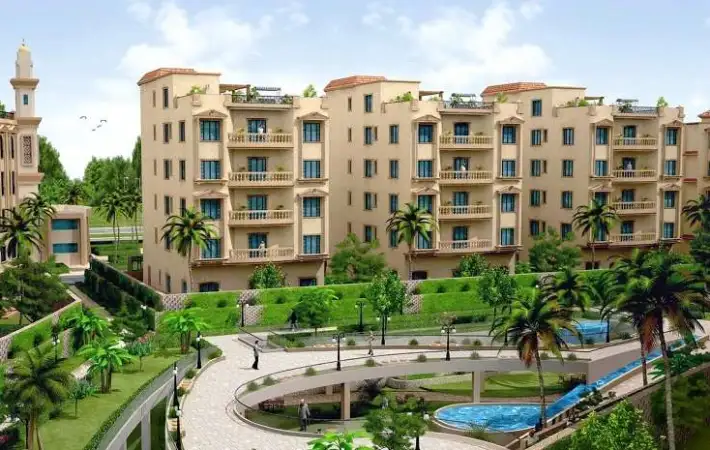
With a 6.64% compound annual growth rate (2026–2029), Egypt real estate market forecast is expected to reach US$1.70 trillion in 2026 and US$2.07 trillion by 2029. Due to inflation, the industry is experiencing significant price volatility, with hikes of 10% to 30% anticipated in 2025. Demand is high in the commercial, North Coast, and new city sectors.
Egypt real estate market forecast

Egypt real estate market forecast
Understanding the Egypt real estate market forecast is crucial before making any decisions, whether you’re searching for a flat in Cairo, a holiday house on the Red Sea, or an investment property in the New Administrative Capital.
This blog article discusses neighborhood dynamics, market trends, current housing prices in Egypt, and important information for international buyers of real estate in this rapidly changing market.
To provide you with the most up-to-date information possible, we update this blog post often with the most recent data and insights.
Additionally, you might wish to download our information on the Egyptian real estate market if you want to purchase a house here.
Important Trends and Egypt real estate market forecast for 2026–2029
- Market Growth: Despite economic difficulties, the industry continues to be a “haven” for investment, with robust demand. It is anticipated that the market’s overall volume will increase gradually, surpassing US$2 trillion by 2029.
- Price and Demand Drivers: Rising building costs and high inflation are pushing up prices. With a volume of US$1.26 trillion in 2026, residential real estate is predicted to take the lead.
- Important Development Areas: New Cairo, the New Administrative Capital (NAC), and the North Coast—more especially, Ras El-Hekma—are the areas with the highest demand.
- Investment Climate: The construction of government infrastructure, especially in New Alamein City and the NAC, is attracting more foreign investors.
- Property Types: Luxury seaside apartments are still increasing in demand, while smaller, more compact flats are becoming more popular.
Risks and Difficulties
- Costs & Inflation: Growing interest rates and material prices are having a big impact on building and purchasing power.
- Secondary Market Lags: New-build off-plan developments that provide long-term, flexible payment plans are more popular, and secondary market trades remain sluggish.
Through 2026–2029, the market is anticipated to continue to be strong, offering both substantial investment possibilities and hazards related to inflationary pressures.
Market Research Types That Are Important for Real Estate
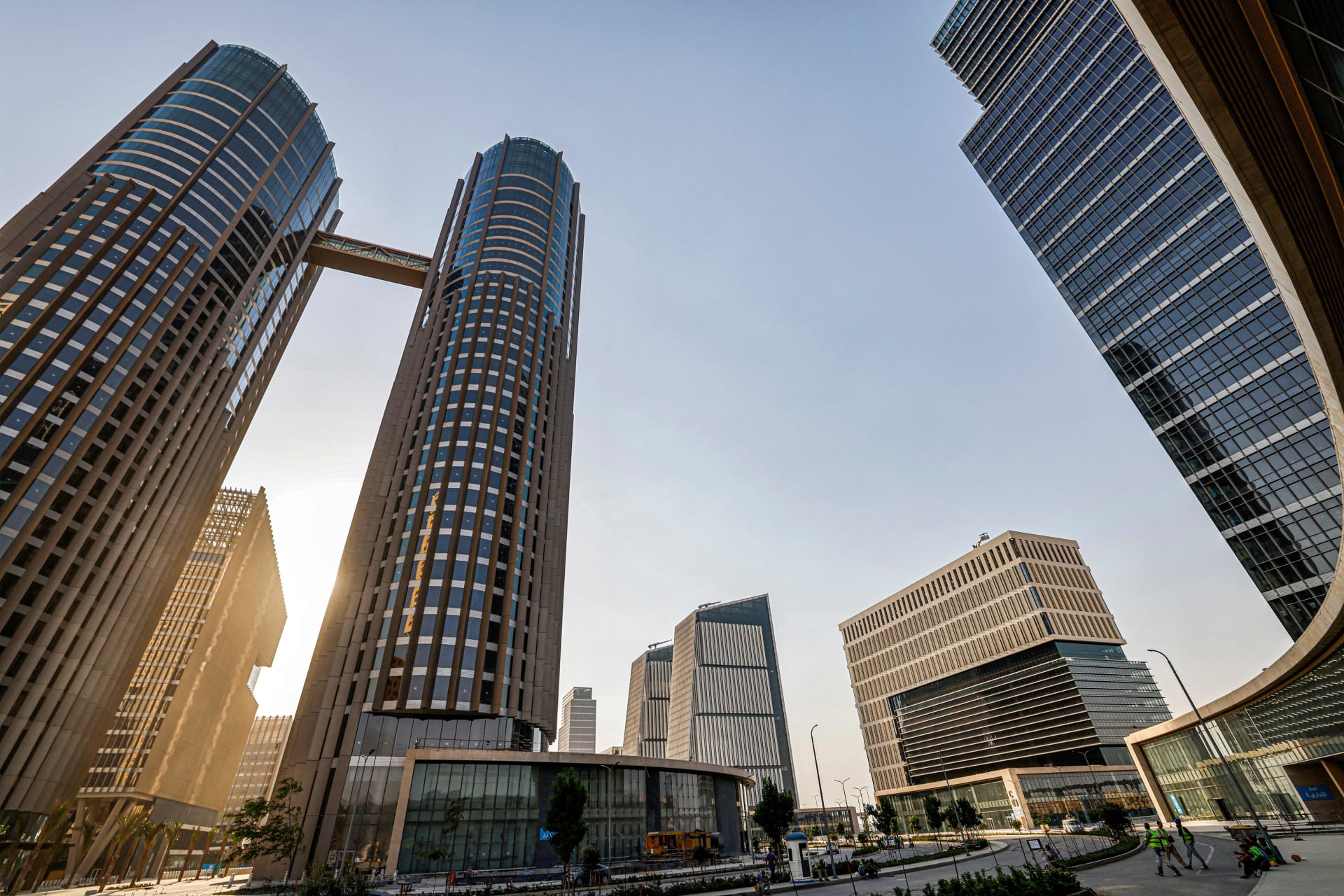
Egypt real estate market forecast
There are many different kinds of market research in the real estate industry that included Egypt real estate market forecast, and each is essential to strategic planning and well-informed decision-making. Every real estate expert should take into account the following crucial forms of market research:
Demographic Research:
This kind of study examines the age, gender, income, education, and work status of a population in a particular location. Knowing the demographic profile makes it easier to pinpoint target audiences and modify marketing tactics to suit their requirements.
Economic Research:
Real estate markets are significantly impacted by the situation of the economy. This kind of study looks at things like GDP growth, inflation rates, income patterns, and employment rates in the area. Investors are able to forecast market performance and possible hazards by evaluating these economic indicators.
Competitive Analysis:
To properly position a property, one must have a thorough understanding of the competitive environment. This entails examining nearby comparable properties’ prices, market shares, occupancy rates, and features. Finding market gaps and chances for differentiation is made easier with the aid of competitive analysis.
Analysis of Market Trends:
Remaining competitive requires keeping up with both established and new trends. Recent sales statistics, pricing changes, rental yields, and customer preferences are all examined in this kind of study. Trend analysis aids in predicting future changes in the market and modifying plans of action appropriately.
Geographic Information Systems (GIS):
Data about a particular place may be spatially analyzed thanks to GIS technology. This entails charting out high-demand locations, transit hubs, accessibility to facilities, and environmental aspects. Urban planning and site selection benefit greatly from GIS.
Consumer Surveys and Feedback:
Insights into preferences and expectations can be obtained directly from prospective tenants or purchases. The most wanted features, levels of satisfaction with the present offers, and areas in need of development may all be found through surveys.
Real estate professionals may improve their operational performance and strategic planning by using various kinds of market research to inform their decisions.
What is Egypt’s average days-on-market for 2026?
Although desirable areas like Zamalek or Garden City can sell faster in approximately 70 to 90 days when priced right, the average days-on-market for residential properties in Greater Cairo as of early 2026 is anticipated to be between 90 and 110 days for normal resale units.
Your pricing approach is crucial since the realistic range that covers the majority of normal listings in Egypt is from about 60 days for reasonably priced homes in suitable regions to 150 days or more for overpriced units or those in less desirable neighborhoods.
Because of the robust local demand for real estate as an inflation hedge, which continues to offset the abundance of new developments entering the market, days-on-market in Egypt have stayed rather consistent as compared to a year or two ago.
In 2026, will Egyptian houses sell for more or less than they are listed for?

Egypt real estate market forecast
Since negotiating is ingrained in Egyptian market culture, the average sale-to-asking price ratio for residential properties as of early 2026 is anticipated to be between 92% and 97%. This means that most properties close at a price that is 3% to 8% lower than their original asking price.
We are only relatively confident in this estimate since Egypt does not have a centralized transaction record. In Egypt, between 10% and 15% of properties sell at or over asking price, and this usually only occurs for clean-title, move-in-ready homes in limited prime areas.
Well-maintained flats in Zamalek, Garden City, and portions of Maadi, as well as rare villas in well-established complexes in New Cairo, where supply is truly restricted, are the property types and locations most likely to experience bidding wars and above-asking sales in Egypt.
ِAfter you know about Egypt real estate market forecast, are you prepared to make the best choice in the Egyptian real estate market?
We at Toppick Property assist you in transforming market information into wise financial choices.
Get in touch with us right now to invest with assurance.